Cat scratches your own chair
Insured interest and claimant
Tenant’s own belongings
Clause to inspect
Personal property covered causes and animal exclusions
Claim evidence
Ownership, photographs and repair value

Separate a tenant’s damaged belongings, a landlord’s repair bill and an injury claim before looking for pet-damage protection.
Use these checkpoints to frame the literal question before reading the full guide.
Renters insurance with pet damage coverage must be established from the actual policy and any animal or property-damage endorsement. Damage to your own belongings, damage to the rented premises and injury to someone else are different claims. A liability limit does not by itself prove that a scratched door or carpet is covered.
The sections below show how to verify the answer and what can change it.
Start with the declarations and the endorsement list. Then find the provision that would insure the specific loss and read the exclusions attached to it. Searching only for the word pet can miss a rented-property or custody exclusion. The Texas insurance department’s renters guide distinguishes personal-property and liability protection; that broad distinction does not establish a particular pet-damage benefit.
| Loss example | Insured interest and claimant | Clause to inspect | Claim evidence |
|---|---|---|---|
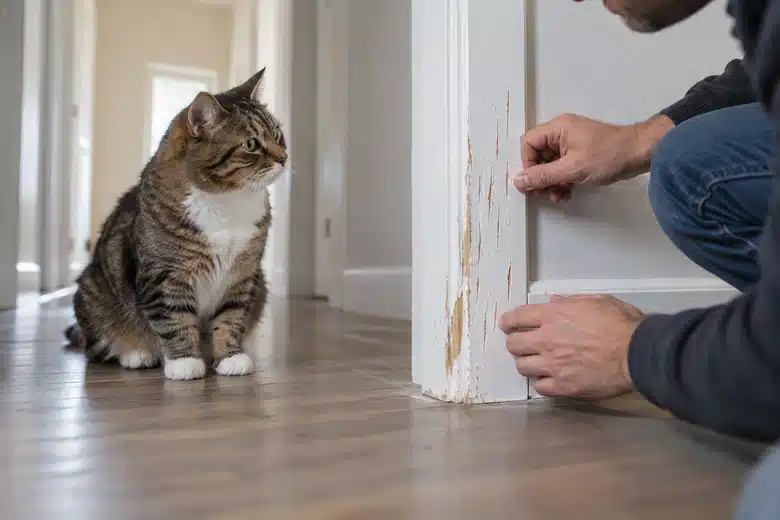
| Cat scratches your own chair | Tenant’s own belongings | Personal property covered causes and animal exclusions | Ownership, photographs and repair value |
| Pet damages the landlord’s door | Landlord seeks repair cost | Liability, rented premises and any specific buyback | Lease, move-in photos, cause and repair estimate |
| Pet injures a visitor | Third-party bodily injury allegation | Liability grant, animal restrictions and medical-payments terms | Incident details and claimant documentation |
This review has not established an operative renters form and endorsement that affirmatively cover the requested pet damage. It therefore cannot identify a qualifying product or promise payment. Use the distinction and document audit below to evaluate a real offer; the coverage gap remains unresolved.
For a scratched rental door, ask whether damage to rented premises is included, which animal-related causes qualify, and whether gradual damage is excluded. Check any separate deductible, annual ceiling, per-event cap and restrictions on the insured animal. This is a list of evidence to locate, not a statement that such a benefit exists in the reader’s policy.
Hypothetical only: a landlord requests evidence of $100,000 liability coverage, while a tenant is worried about a $900 scratched-door repair. The headline liability amount answers neither whether that door loss qualifies nor whether all lease conditions are met. If a specific qualifying benefit hypothetically had a $250 deductible and $1,000 cap, the repair calculation could be $650, but only after the contract’s eligibility conditions were satisfied. Those amounts describe no actual policy.
A pet deposit, a damage waiver and veterinary expense insurance should each be documented separately. Do not count one toward another obligation without wording that supports the substitution. When an incident occurs, preserve evidence and follow the contract’s notice instructions; avoid treating this comparison worksheet as a legal determination of responsibility.
No. The rented-property provisions, animal exclusions and any endorsement must support that specific loss.
No. Acceptance and contractual compliance require the actual lease requirements and insurance documents.
These links provide independent government, academic or reference background. Actual policy wording controls insurance eligibility, benefits and claims.
This article does not imply that the specific animal, liability product, state or service discussed above is covered by the site's partner. If you are separately comparing medical insurance for U.S. domestic dogs or cats, the next button opens a separate quote route for that product; check the actual policy for eligibility and exclusions.